Exhibitions
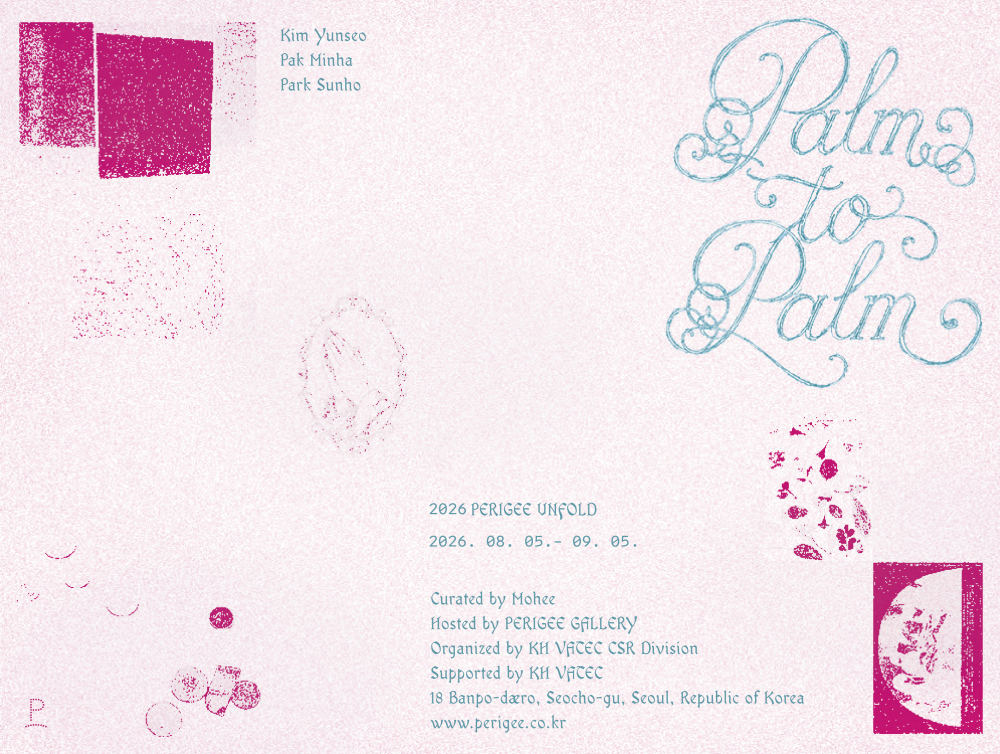
PERIGEE UNFOLD 2026
Palm to Palm
2026.08.05. WED ~
2026.09.05. SAT
Palm to Palm
글 모희 (페리지갤러리 큐레이터)
‘”꿈 대신에 우리는 확실한 손을 갖고 싶다.
확실한, 물질적인 손.
(…)
그러나 확실함은 언제나 우리의 비몽사몽뿐,
이제 우린 무덤 속에서 노래하지 않는다.
먼 나라에서 문득문득 편지가 오고,
(…)
우리는 주문을 외우며 잠자리에 든다.”
— 최승자, 「꿈 대신에 우리는」, 『즐거운 일기』, 문학과지성사, 1984.
삶을 지탱하는 동인에는 종결되지 않은 믿음이 있다. 믿음은 일종의 약속이다. 믿는다는 마음에 담긴 가능성과 견고함은 개인과 집단, 세계의 구조 속에서 삶과 사회를 일군다. 확실함은 언제나 꿈, 환상과도 같은 믿음에서 기인한다. 이제 우리는 꿈을 경유해야만 맞잡을 수 있는 손—손을 통해 모습을 드러내는 환상에 관해 이야기해야 한다. 내맡겨진 환상 속에서는 목적지에 도달하지 않더라도 계속해서 걸어가는 일이 얼마든지 가능하다. 먼 곳을 먼 곳에 둔 채로, 믿음이 마모되지 않도록 지키는 일은 곧 저마다의 현실(reality)을 지키는 일에 다름 아니다. 전망, 즉 멀리 바라보는 시선은 그 끝에 있을 대상보다 그곳을 향해 나아가는 맹목적인 행위에서 더 넓은 세계를 열어 보인다. 한 다발의 약속과 기약 없는 장면을 통해, 우리는 조금씩 다른 존재로 변화해 나간다.
19세기의 환상은 시공간의 소멸에서 시작되었다. 과거의 순간을 이미지로 각인시키는 사진과 영화, 먼 ....
Palm to Palm
Text by Mohee (Curator, Perigee Gallery)
“Instead of dreams, we want to have certain hands.
Certain, material hands.
(…)
But certainty is only ever our half-waking dream,
now we do not sing inside the grave.
From a distant country, letters come now and then,
(…)
We go to bed reciting incantations.”
— Choi Seung-ja, “Instead of Dreams, We,” Cheerful Diary (Moonji Publishing, 1984)
Among the motive forces that sustain life is a belief that has never been concluded. Belief is a kind of promise. The possibility and steadfastness held within the believing mind cultivate life and society within the structures of the individual, the collective, and the world. Certainty always arises from a belief that is akin to dream, to fantasy. Now we must speak of hands that can be clasped only by way of dreams—of the fantasy that reveals its form through the hand. Within a fantasy one has surrendered to, it is entirely possible to keep walking even without reaching the destination. Leaving the distant in the distance, protecting belief from wearing thin is nothing other than protecting ea....
글 모희 (페리지갤러리 큐레이터)
‘”꿈 대신에 우리는 확실한 손을 갖고 싶다.
확실한, 물질적인 손.
(…)
그러나 확실함은 언제나 우리의 비몽사몽뿐,
이제 우린 무덤 속에서 노래하지 않는다.
먼 나라에서 문득문득 편지가 오고,
(…)
우리는 주문을 외우며 잠자리에 든다.”
— 최승자, 「꿈 대신에 우리는」, 『즐거운 일기』, 문학과지성사, 1984.
삶을 지탱하는 동인에는 종결되지 않은 믿음이 있다. 믿음은 일종의 약속이다. 믿는다는 마음에 담긴 가능성과 견고함은 개인과 집단, 세계의 구조 속에서 삶과 사회를 일군다. 확실함은 언제나 꿈, 환상과도 같은 믿음에서 기인한다. 이제 우리는 꿈을 경유해야만 맞잡을 수 있는 손—손을 통해 모습을 드러내는 환상에 관해 이야기해야 한다. 내맡겨진 환상 속에서는 목적지에 도달하지 않더라도 계속해서 걸어가는 일이 얼마든지 가능하다. 먼 곳을 먼 곳에 둔 채로, 믿음이 마모되지 않도록 지키는 일은 곧 저마다의 현실(reality)을 지키는 일에 다름 아니다. 전망, 즉 멀리 바라보는 시선은 그 끝에 있을 대상보다 그곳을 향해 나아가는 맹목적인 행위에서 더 넓은 세계를 열어 보인다. 한 다발의 약속과 기약 없는 장면을 통해, 우리는 조금씩 다른 존재로 변화해 나간다.
19세기의 환상은 시공간의 소멸에서 시작되었다. 과거의 순간을 이미지로 각인시키는 사진과 영화, 먼 곳으로의 이행을 가능케 한 철도는 사람들을 장소와 물질의 세계에서 재현과 정보의 세계로 이동시켰다.[1] 새로운 기술이 일으킨 가속화와 공간의 축소는 세상을 더 빠르고 가까운 것으로 만들었다. 한편, 같은 시기 또 다른 형태의 기술이 낯선 대륙에 퍼져 나가고 있었다. ‘유령의 춤(ghost dance)’은 삶의 터전을 잃은 북아메리카 원주민들이 행했던 절박한 마음의 몸짓이었다. 기술이 “세상이나 세상에 대한 경험을 변화시키는 어떤 실천, 기법, 혹은 장치”[2] 라고 할 때, 죽은 조상과 버팔로가 돌아오길 염원하는 춤, 은막의 빛처럼 반짝이던 유령의 춤은 역사의 외상과 시간의 간극을 건너기 위해 고안된 기술이었다.
시간의 벽에 구멍을 내어 멀리 있는 것들을 빛과 그림자의 환영으로 불러오는 사진과 영상 역시, 같은 의미에서 또 하나의 유령의 춤이다.[3] 믿음에 잠복한 가능성과 실패는 이미지에 각인된 감응력을 따라 되살아나고, 잡히지 않는 실재(Real) 대신 눈앞의 세계에 대한 믿음을 그려낸다. 《Palm to Palm》은 이처럼 믿음을 매개로 저마다의 리얼리티를 구현하는 작가들의 기술에 주목한다. 김윤서, 박민하, 박선호는 엽서와 기계 번역의 오류를 해부하며 먼 시대를 추적하거나, 타인의 빈집을 촬영하며 소유와 점유 사이의 긴장을 드러내고, 별빛을 기록한 유리건판(Glass plate) 사진과 이를 다루었던 여성들의 삶을 들여다본다. 각각의 이미지는 끊임없는 이행 속에서, 파편화된 관찰을 통해 저마다의 결손을 끌어안는다.
환상이 약속한 것과 앗아간 것이 나란히 놓일 때, 상심의 자리에는 또 다른 이야기의 씨앗이 심긴다. 김윤서는 『만주국의 해부』(1932)가 품은 유토피아적 시선과 낙관이 끝난 지점에서, 해부의 재연을 통해 그 사인(死因)을 짚으며 이야기를 이어간다. 이미 숨을 다한 것의 피부를 열어 부검하는 행위는 안쪽의 살과 뼈를 드러내어 종결을 확인하기보다, 여러 변곡점으로 이행하는 통로를 연다. 〈긴 다리의 악몽〉(2026)은 ‘만철(滿鐵, 남만주철도주식회사)’[4] 에서 발행된 엽서를 접사한 망점 이미지와 그 한자를 구성하는 작은 단위인 편방의 의미를 분해하는 말들로 시작된다. 교차하여 등장하는 사랑과 부끄러움, 슬픔에 관한 텍스트는 책 속 측량과 선동의 텍스트를 오역한 OCR 번역기의 눈으로 쓰인 언어이다. 김윤서는 이를 16세기에 만들어진 안드레아스 베살리우스(Andreas Vesalius)의 해부도, 비둘기를 바라보는 시선과 재차 겹쳐 보며, 역사적 외상과 문맥이 물리적·시각적으로 자리를 옮기는 과정을 좇는다. 한순간 날아갈 비둘기, 읽을 수 없는 언어를 훑는 손가락은 “먼 것을 가까이 당겨 해부하고 가까운 것을 다시 멀리 흘려보내는”[5] 영상 전체의 움직임을 함축한다. 이러한 이동과 분해의 감각은 다시금 엽서의 이미지로 수렴되고, 김윤서는 파훼된 약속들 사이에서 다른 믿음의 가능성을 묻는다. 그러나 종결이 되돌아오겠다는 의지나 새로운 탄생이 될 때(〈책장 1〉, 2024, 〈책장 2〉, 2026), 미래가 오듯, 믿음은 도래한다.[6]
환상은 때로 필요에 의해 행위의 동력이 된다. 박민하는 속속들이 파헤치지 않고 내버려둔 여백에서 알 수 없음의 환상을 누린다. 종종 배타적인 감정들이 뒤엉킨 사진에는 의미와 상징 없이 구체화된 삶의 독보성이 자리한다.[7] 파악하지 못한 채 방랑하는 과정을 긍정하는 박민하의 사진에서, 헤맴은 불가능한 것을 믿는 자의 특권이다. 이러한 믿음은 타인의 빈집을 점유하고 촬영한 시리즈 안에서 구체적인 몸을 얻는다. 서울이라는 도시에서 이사를 거듭하던 작가는 애초에 소유할 수 없는 사물로 가득한 공간을 잠시 점거하기로 했다. 주인이 외출한 몇 시간 동안, 손수 재배치한 사물들은 잠시나마 정처 없이 떠돌고, 선택과 배제를 통해 구성된 공간은 그 자체로 ‘사진 하는’ 일과 동등한 지위를 얻는다. 어둠이 밀려드는 암실에서 손을 뻗어 필름을 더듬듯, 낯선 빈집에서 점차 익숙함을 느끼는 불가사의한 시간은 강렬한 촉각적 경험이 되어 사진으로 남는다. 이때 채택된 사물은 가장 전형적인 것들—꼬인 샤워 호스, 못생긴 붙박이장, 바닥의 곰팡이—로서, 아무것도 닮지 않은 단일하고 개성적인 피사체가 된다.[8] 사진 속 사물과 사진이 부착된 사물, 점유한 공간과 그로부터 노출된 전시장은 안팎으로 겹겹이 전도된다(〈Temporary Home〉, 2026, 〈like mould〉, 2026). 박민하의 사진에서 많은 힘들이 굴절되어 구성되는 것으로서의 현재, 셔터를 누르는 순간은 납작한 표면이 아닌 유연하고 굴곡진 덩어리를 얻는다.[9] 환상은 밀려나오고 빨려 들어가는 필요와 좌절, 의도된 결핍에 의해 소유 없는 애착으로 나아간다.
“모든 것을 벼리는 숫돌, 곧 시선과 지성, 심지어 직관마저 벼려내는 것은 마음이다.”[10] 박선호는 기술을 대하는 사람들의 마음의 모양에 주목해 왔다. 마음은 어떤 것으로든 채워질 수 있는 빈 그릇이기보다 감추기 어렵도록 바깥으로 새어 나오는 형형색색의 빛에 가깝다. 빛을 따라 기록했던 세계와 작가 사이의 얼룩은 〈길들인 빛〉(2026)에서 별빛을 새긴 유리건판 사진 위로, 그 밝기를 재고 분류한 여성 천문학자(Women Astronomical Computers)들의 삶 위로 포개어진다. 영상에서 세 개의 빛으로 이어진 의미의 망은 수평으로 미끄러지고 쌓이는 점과 선으로, 흑과 백의 이미지로 길들여진다. 이중으로 지연된 빛은 다시금 투명한 양면의 유리처럼 성근 조직의 스크린 위에 영사된다. 오래전에 출발한 빛들은 정복과 굴복을 통해 쓰인 이성의 서사가 아닌, 돌보고 길들이는 손길, 어루어 살피는 태도를 통해 비로소 이곳에 도착한다. 미처 사로잡히지 않은 빛은 얇은 올의 스크린을 통과해 보다 먼 뒤편의 공간까지 가닿는다. 흐르는 것은 다만 빛 뿐이 아니다. 전경과 배경을 오가며 깃든 빛은 오늘날까지 전해진 사념과 열망의 아카이브이자, 질적으로 변용된 음악적 인상으로 함께 새겨진다. 공간을 휘감는 소리는 이미지의 주변이 아닌 프레임의 운율 안쪽에서 보이지 않는 시공을 메꾼다. “우리를 구원하는 것은 언제나 가장 작은 것”[11]이기에, 박선호는 자신과 약하게 연결된 저 여성들과의 관계 안에서 믿음이라는 마음의 모양을 가꾼다.
나누어 잡은 현실의 손은 결손과 함께 살아가는 믿음의 태도를 향한다. 손바닥을 맞댄 약속과 기도의 몸짓처럼, 이들이 믿는 것은 손에서 손으로, 믿음에서 현실로, 먼 곳과 가까운 곳으로, 혹은 그 반대를 향하는 움직임에 있다. 무너진 낙관은 정지된 애도나 복원에 그치지 않고 기다리며 맞이할 믿음이 되고, 소유하기를 그만둔 채 낙심하지 않는 여지는 느슨한 애착을 맺는다. 시차를 두고 사라져가거나 이미 사라진 것들을 돌보는 마음은 회복의 자리에서 스스로를 지탱해 내기도 한다. 그리하여 전시는 이들이 맞이할 복수의 결론에서 비껴선 채 지속될 환상을 지켜보기로 한다. 확실함은 언제나 우리의 비몽사몽뿐이다.
________________
[1] 리베카 솔닛, 김현우 옮김, 『그림자의 강』, 창비, 2020, p.15. 본 문단에서 언급하는 영화와 철도, 유령의 춤에 관한 내용은 리베카 솔닛의 저서에 빚지고 있음을 밝힌다.
[2] 위의 책, p.176.
[3] 같은 책, p.178.
[4] 1906년 일제가 만주의 침략과 식민 지배를 위해 설립한 국책회사. 만철은 특히 다롄의 현대적인 도시와 이국적 풍경을 아름답게 담은 시각 매체를 대량으로 인쇄·보급하며 만주로의 이주를 촉구했다.
[5] 2026년 7월 21일 김윤서와 나눈 대화.
[6] 김윤서, 〈긴 다리의 악몽〉, 2026, 단채널 비디오, 00:12:17.; 김홍중, 『세계에 대한 믿음』, 문학과지성사, p.50. “믿음은 능동적 앎이 아니다. 노력으로 믿을 수 있는 것은 세상에 없다. 믿음은 그냥 온다.”
[7] 안드레이 타르콥스키, 라승도 옮김, 『시간의 각인』, 곰출판, 2021, p.148.
[8] 위의 책, 같은 쪽.
[9] 로런 벌랜트, 윤조원ㆍ박미선 옮김, 『잔인한 낙관』, 후마니타스, 2024, p.102.
[10] 크리스티앙 보뱅, 신승엽 옮김, 『세상의 빛』, 1984BOOKS, 2026, p.95.
[11] 위의 책, p.121.
Text by Mohee (Curator, Perigee Gallery)
“Instead of dreams, we want to have certain hands.
Certain, material hands.
(…)
But certainty is only ever our half-waking dream,
now we do not sing inside the grave.
From a distant country, letters come now and then,
(…)
We go to bed reciting incantations.”
— Choi Seung-ja, “Instead of Dreams, We,” Cheerful Diary (Moonji Publishing, 1984)
Among the motive forces that sustain life is a belief that has never been concluded. Belief is a kind of promise. The possibility and steadfastness held within the believing mind cultivate life and society within the structures of the individual, the collective, and the world. Certainty always arises from a belief that is akin to dream, to fantasy. Now we must speak of hands that can be clasped only by way of dreams—of the fantasy that reveals its form through the hand. Within a fantasy one has surrendered to, it is entirely possible to keep walking even without reaching the destination. Leaving the distant in the distance, protecting belief from wearing thin is nothing other than protecting each of our own realities. Prospect—the gaze cast far—opens a wider world less through the object that might lie at its end than through the blind act of pressing toward that place. Through a bundle of promises and scenes without fixed appointment, we transform little by little into different beings.
The nineteenth-century fantasy began with the annihilation of time and space. Photography and film, which imprinted moments of the past as images, and the railroad, which enabled passage to distant places, moved people from a world of place and matter into a world of representation and information.[1] The acceleration and spatial contraction brought about by new technologies made the world faster and closer. Meanwhile, in the same period, another form of technology was spreading across an unfamiliar continent. The “ghost dance” was a desperate gesture of the heart performed by Indigenous North Americans who had lost the ground of their lives. When technology is said to be “a practice, a technique, or a device for altering the world or the experience of the world,”[2] the dance that longed for the return of dead ancestors and the buffalo—the ghost dance that shimmered like the light of the silver screen—was a technology devised to cross historical trauma and the gaps of time.
Photography and moving images, which puncture the wall of time to summon what is distant as apparitions of light and shadow, are likewise, in this same sense, another ghost dance.[3] The possibilities and failures lying dormant within belief revive along the resonance imprinted in the image and depict a belief in the world before us in place of the ungraspable Real. Palm to Palm attends to the technologies of artists who thus embody their respective realities through the medium of belief. Kim Yoonseo, Park Minha, and Park Sunho dissect the errors that arise in machine-translating postcards to trace a distant era, photograph strangers’ empty homes to expose the tension between ownership and occupancy, and look into the glass plate photographs that recorded starlight, and into the lives of the women who worked with them. Each image, in ceaseless passage, embraces its own loss through fragmented observation.
When what fantasy has promised and what it has taken away are set side by side, the seed of another story is planted at the site of heartbreak. Kim Yoonseo picks up the story at the point where the utopian gaze and optimism harbored in The Anatomy of Manchukuo (1932) come to an end, pinpointing its cause of death through a restaging of the dissection. The act of opening the skin of what has already breathed its last and performing an autopsy does not so much expose the flesh and bones within to confirm closure as it opens a corridor of passage toward multiple inflection points. A Nightmare with a long bridge (2026) opens with macro-photographed halftone images of postcards issued by “滿鐵 (The South Manchuria Railway Company)”[4] and with words that break down the meanings of the pyeonbang, the small units that compose those characters. The alternating texts on love, shame, and sorrow are language written through the eye of an OCR translator that mistranslated the book’s surveying reports and agitprop. Kim overlays these once more with Andreas Vesalius’s sixteenth-century anatomical drawings and with the gaze cast upon pigeons, following the process by which historical trauma and context shift place physically and visually. The pigeon that will fly off in an instant and the finger sweeping across an unreadable language condense the whole video’s movement of “pulling the distant near to dissect it, then letting the near flow away into the distance again.”[5] This sense of movement and disassembly converges once more into the image of the postcard, and Kim asks after the possibility of a different belief among broken promises. But when closure becomes the will to return or a new birth (Bookshelf 1, 2024; Bookshelf 2, 2026), belief arrives, just as the future comes.[6]
Fantasy sometimes becomes the driving force of action out of necessity. Park Minha savors the fantasy of unknowing in the blank spaces she has left alone rather than thoroughly excavated. In photographs where often mutually exclusive emotions are entangled resides the singularity of a life given concrete form without meaning or symbol.[7] In Park’s photographs, which affirm the process of wandering without grasping, being lost is the privilege of one who believes in the impossible. This belief acquires a concrete body within the series in which she has occupied and photographed strangers’ empty homes. After moving repeatedly through the city of Seoul, Park decided to briefly take over spaces filled with objects she could never own to begin with. For the few hours the owner is out, the objects she has rearranged with her own hands drift, if briefly, without settled place, and the space constituted through choice and exclusion in itself attains a status equal to “the act of framing.” Just as one reaches a hand into a darkroom flooded with dark to grope for film, the enigmatic time of gradually growing familiar within a stranger’s empty home becomes an intense tactile experience that remains as photograph. The objects selected here are the most typical of things—a twisted shower hose, an ugly built-in wardrobe, mold on the floor—that, resembling nothing else, become singular, distinctive photographic subjects.[8] The object within the photograph and the object onto which the photograph is affixed, the occupied space and the exhibition hall exposed by it, are inverted in layers, inside and out (Temporary Home, 2026; like mould, 2026). In Park’s photographs, the instant the shutter is pressed—a present constituted through the refraction of many forces—acquires not a flat surface but a supple, undulating mass.[9] Through needs and frustrations that push outward and are drawn back in, through a deliberate deficiency, fantasy advances toward an attachment without possession.
“The whetstone that sharpens all things—that which sharpens the gaze, the intellect, even intuition—is the heart.”[10] Park Sunho has attended to the shape of the heart with which people approach technology. The heart is less an empty vessel that can be filled with anything than a light of many colors that leaks outward, hard to conceal. In Tamed Light (2026), the stain between Park and the world she recorded by the light is layered over the glass plate photographs that inscribed starlight, over the lives of the women astronomical computers who measured and classified their brightness. In the video, the web of meaning connected by three lights is tamed into points and lines that slide and accumulate horizontally, into images of black and white. The doubly deferred light is projected once again onto a loosely woven screen, like transparent double-sided glass. The lights that set out long ago arrive here at last not through the narrative of reason written in conquest and submission, but through the touch that cares and tames, the attitude of tender, watchful attention. The lights not yet captured pass through the thin-threaded screen and reach as far as the space farther behind. It is not only light that flows. The light that dwells while moving between foreground and background is an archive of thoughts and yearnings carried down to today, and is inscribed together as a qualitatively transfigured musical impression. The sound that wraps around the space fills invisible time and space not at the periphery of the image but from within the frame’s meter. Because “what saves us is always the smallest thing,”[11] Park tends the shape of the heart called belief within her relations with those women weakly connected to her.
The hands of reality clasped in sharing turn toward an attitude of belief that lives with loss. Like the gesture of promise and prayer with palms pressed together, what they believe lies in the movement from palm to palm, from belief to reality, from far to near, or in the reverse. Collapsed optimism does not end at arrested mourning or restoration but becomes a belief that waits and welcomes; the latitude that, having given up possession, does not lose heart forms a loose attachment. The heart that cares for what disappears at a time-lag, or has already disappeared, at times sustains itself in the site of recovery. This exhibition therefore resolves to stand aside from the plural conclusions they are about to meet and keep watch over the fantasy that will endure. Certainty is only ever our half-waking dream.
_____________
[1] Rebecca Solnit, River of Shadows: Eadweard Muybridge and the Technological Wild West, trans. Kim Hyunwoo (Changbi Publishers, 2020), 15. The material on film, the railroad, and the ghost dance in this paragraph is indebted to Solnit’s book.
[2] Solnit, River of Shadows, 176.
[3] Solnit, River of Shadows, 178.
[4] A state-run company established by imperial Japan in 1906 for the invasion and colonial administration of Manchuria. Mantetsu in particular printed and distributed en masse visual media that beautifully rendered the modern city of Dalian and its exotic landscapes, encouraging emigration to Manchuria.
[5] Kim Yoonseo, in conversation with the author, July 21, 2026.
[6] Kim Yoonseo, A Nightmare with a long bridge, 2026, single-channel video, 12:17; Kim Hongjung, Segye e daehan mideum [Belief in the world] (Moonji Publishing, 2024), 50: “Belief is not active knowing. There is nothing in the world we can believe by dint of effort. Belief simply comes.”
[7] Andrei Tarkovsky, Sculpting in Time, trans. Ra Seungdo (Gom Publishing, 2021), 148.
[8] Tarkovsky, Sculpting in Time, 148.
[9] Lauren Berlant, Cruel Optimism, trans. Yun Jowon and Park Miseon (Humanitas, 2024), 102.
[10] Christian Bobin, La Lumière du monde [The light of the world], trans. Shin Seungyeop (1984BOOKS, 2026), 95.
[11] Bobin, La Lumière du monde, 121.
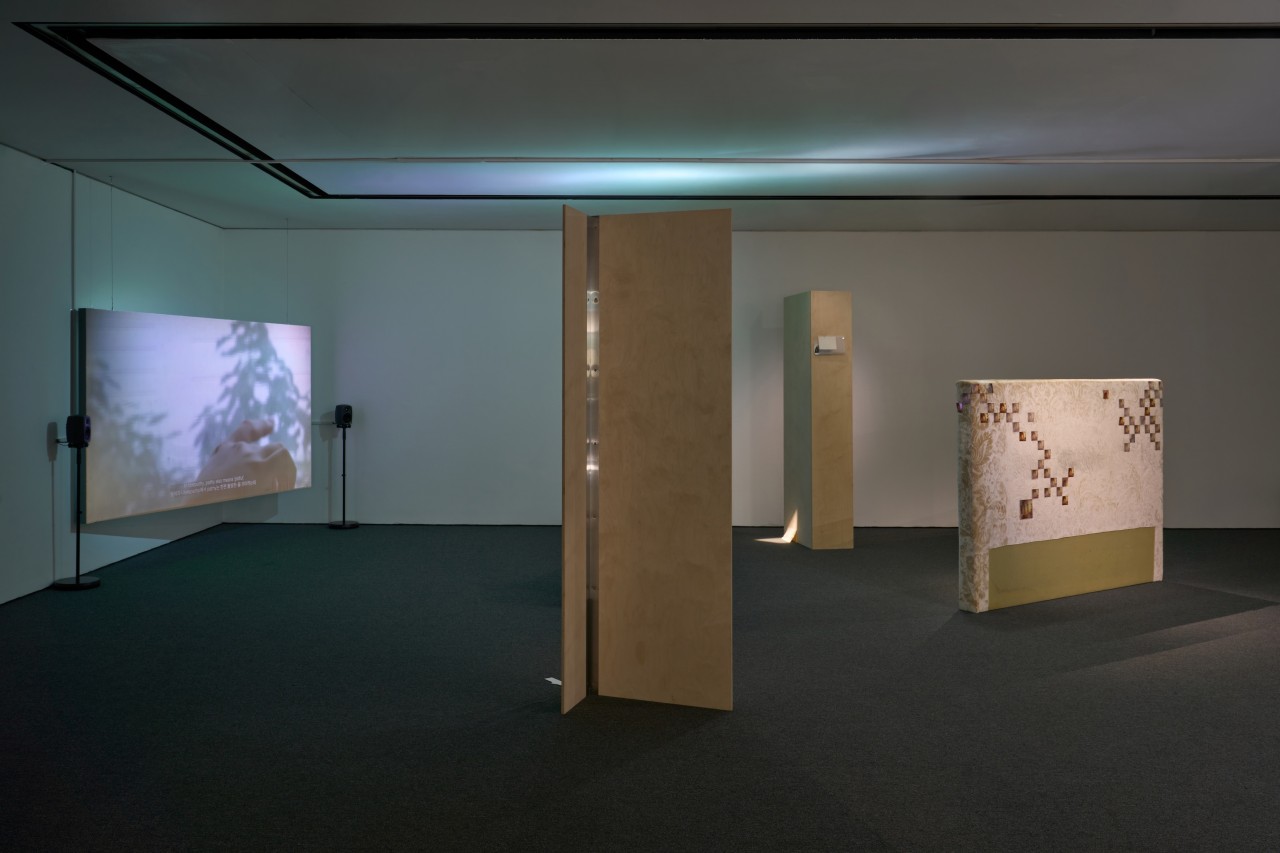 《 Palm to Palm》전시 전경 | 사진 SES
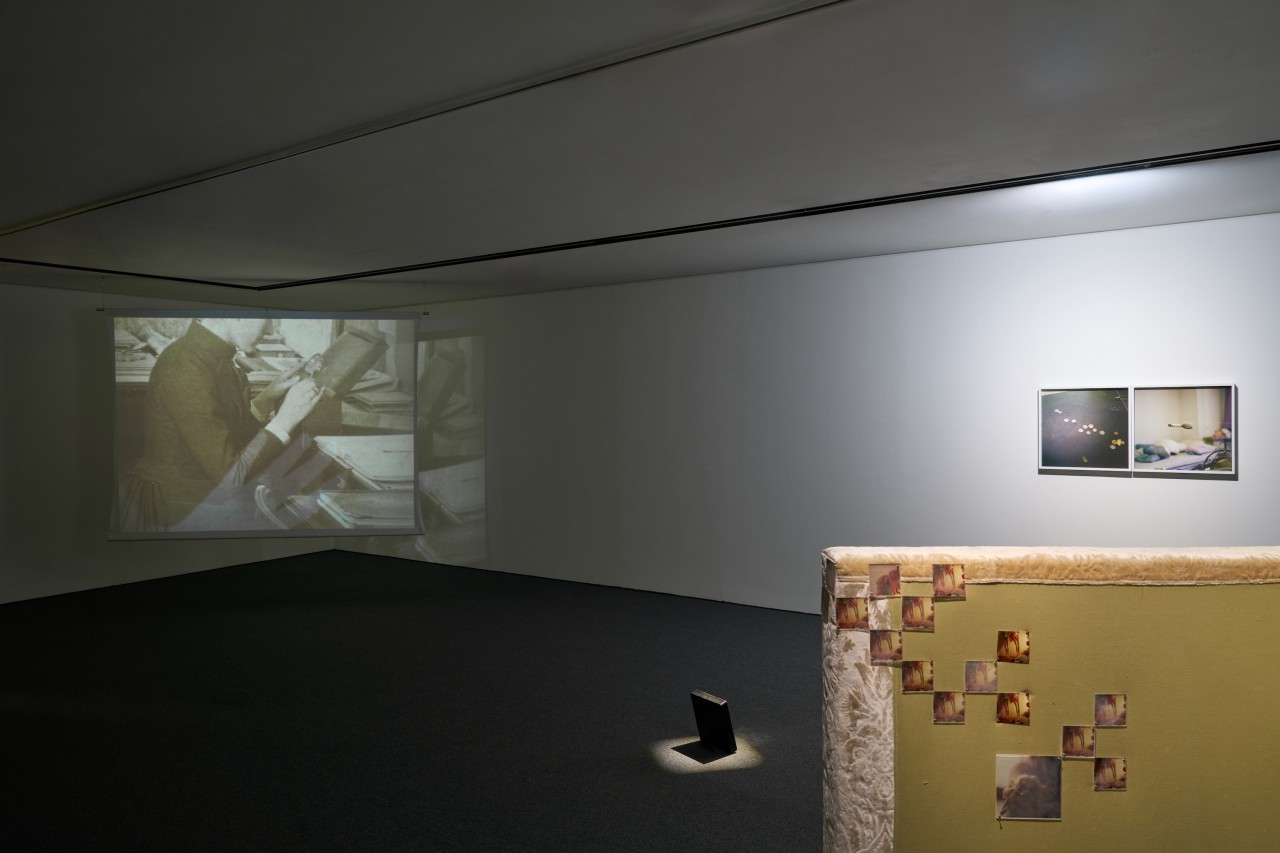 《 Palm to Palm》전시 전경 | 사진 SES
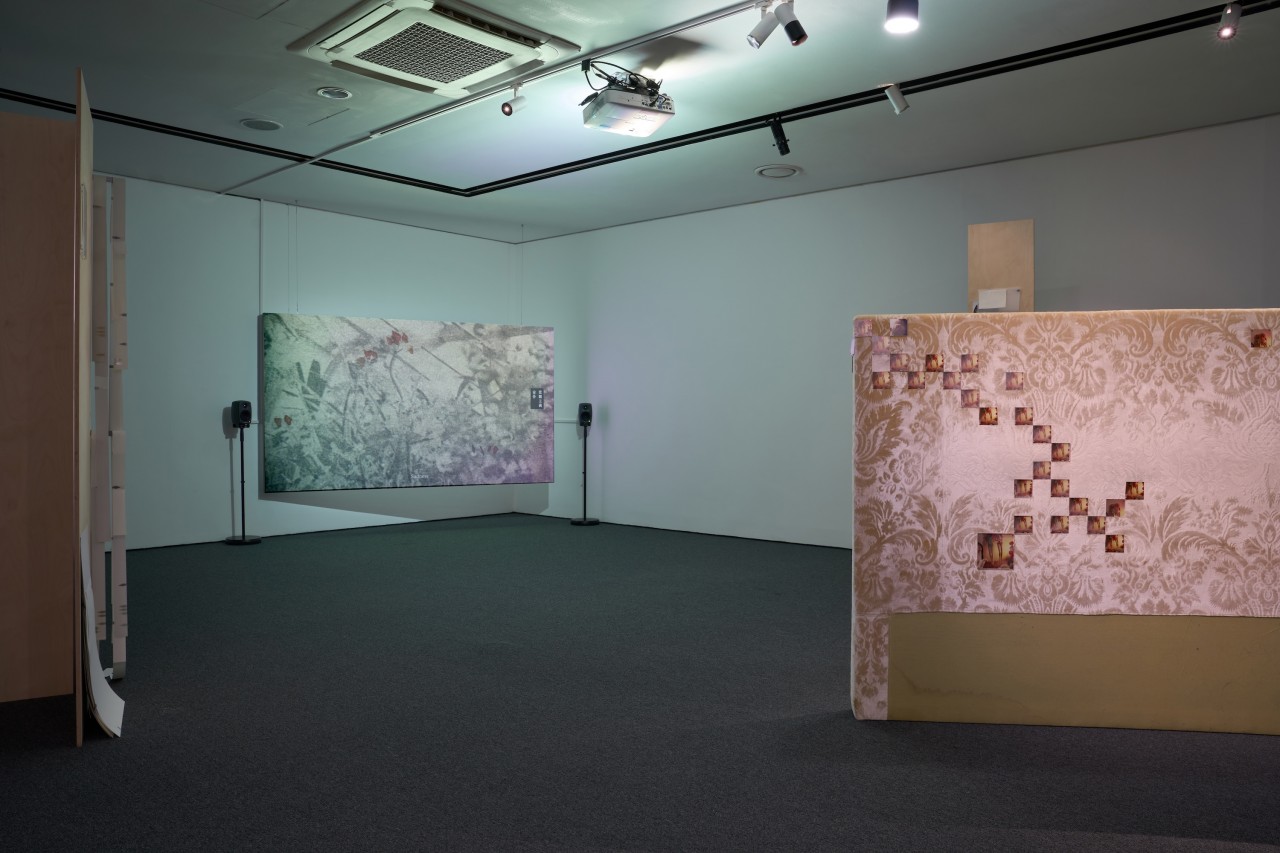 《 Palm to Palm》전시 전경 | 사진 SES
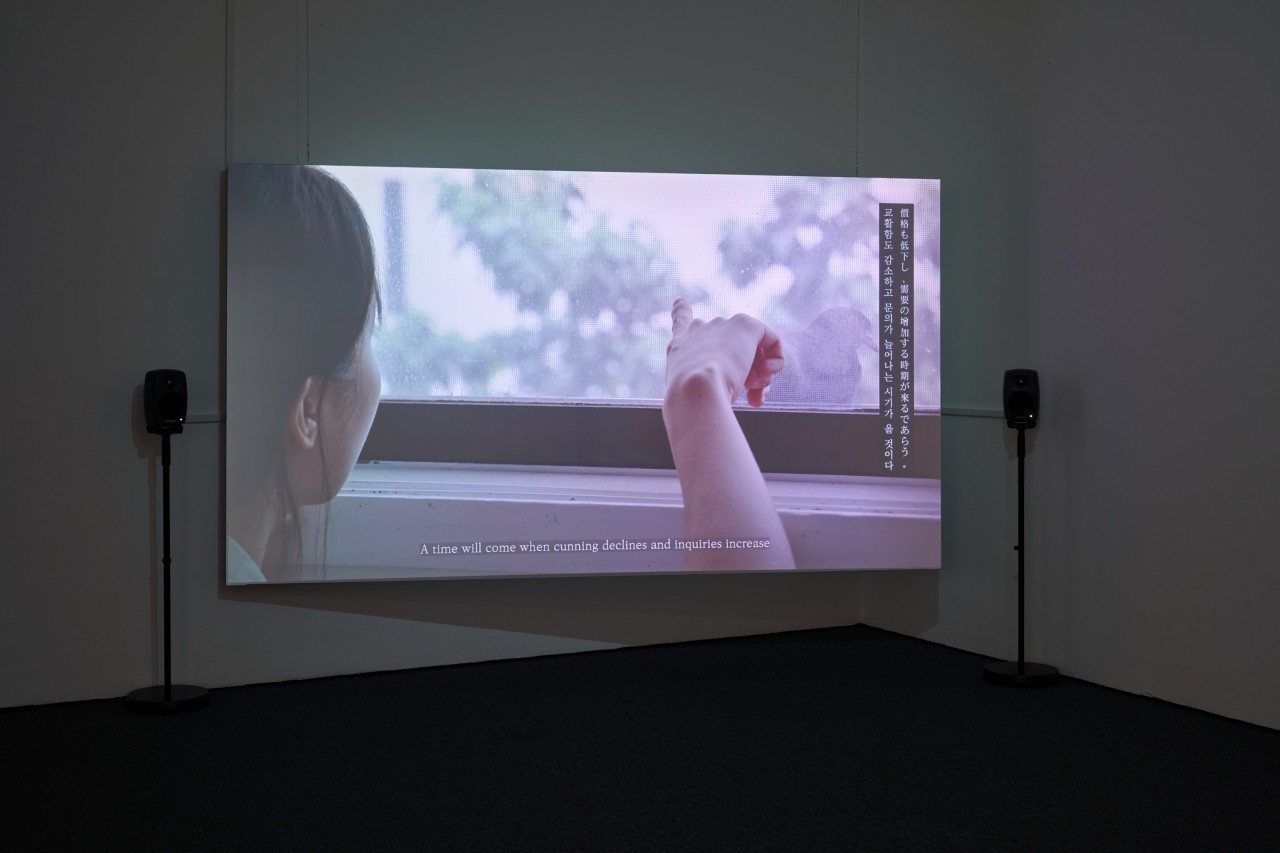 김윤서, 〈긴 다리의 악몽〉, 2026, 단채널 비디오, 컬러, 사운드, 19분 | 사진 SES
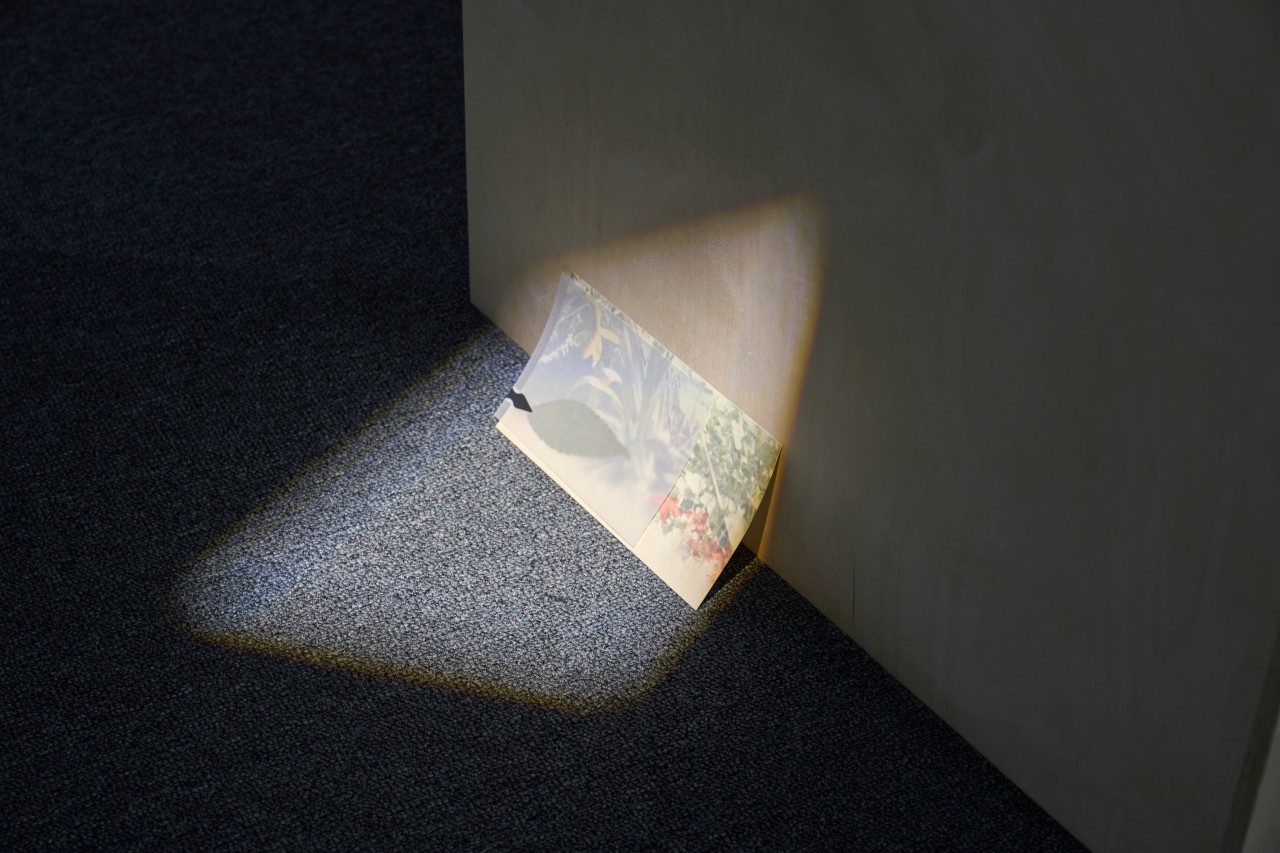 김윤서, 〈텔레파시〉, 2026, 종이에 잉크젯 프린트, 나뭇잎, 북다트, 트레싱지, 프레임컷 조명, 가변크기 | 사진 SES
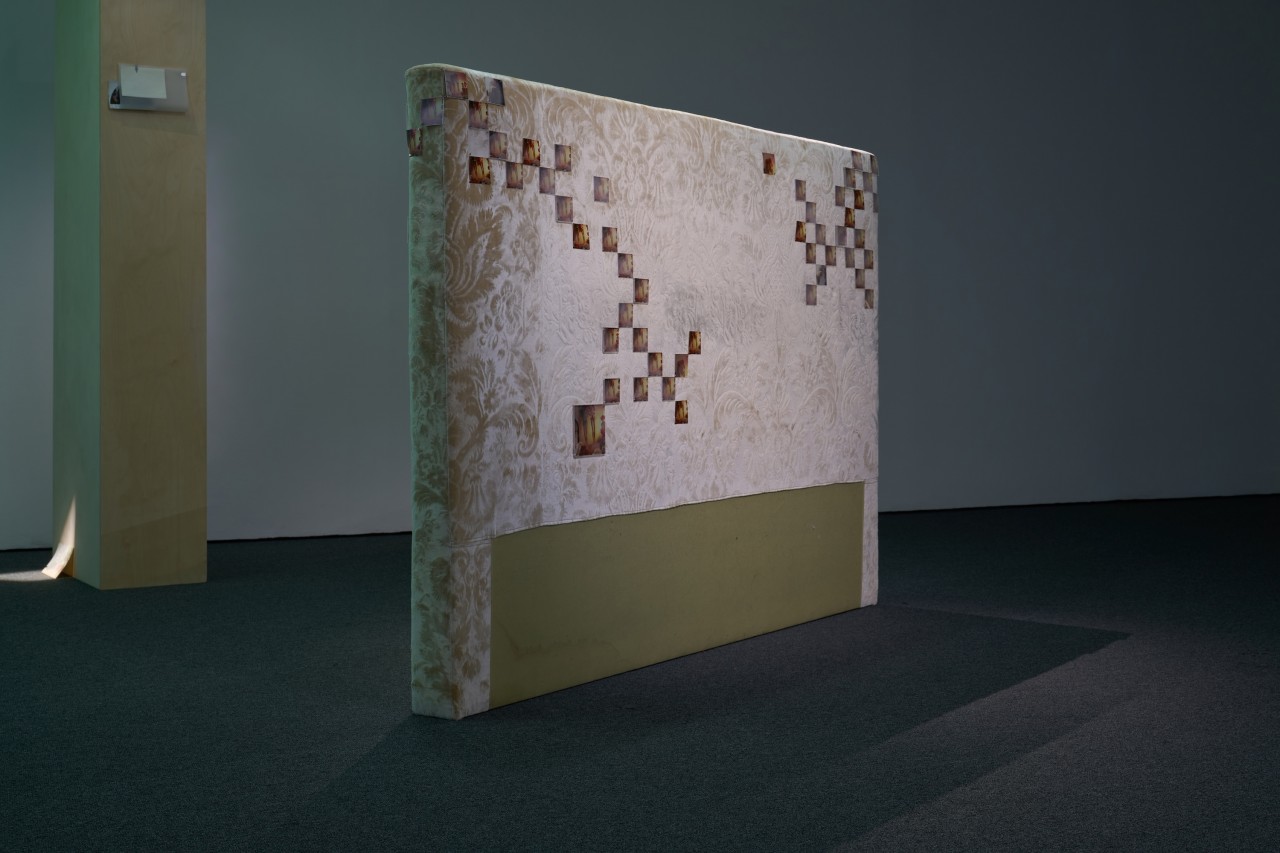 박민하, 〈like mould〉, 2026, 침대헤드, 종이에 잉크젯 프린트, 아크릴판, 못, 128.5 x 181 x 11 cm | 사진 SES
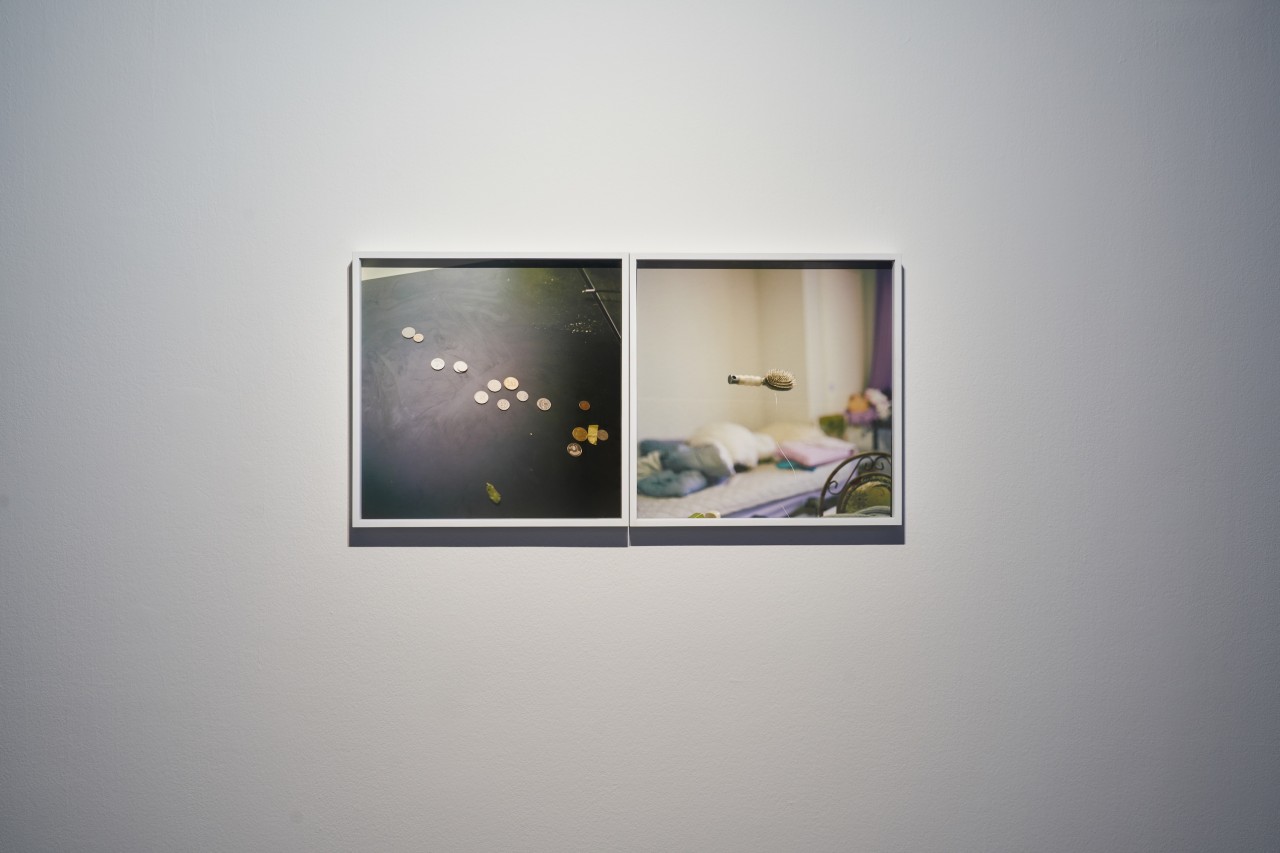 박민하, 〈Windows (Placing Coins, Hairbrush Standing)〉, 2026, 종이에 잉크젯 프린트, 나무 틀, 유리 | 사진 SES
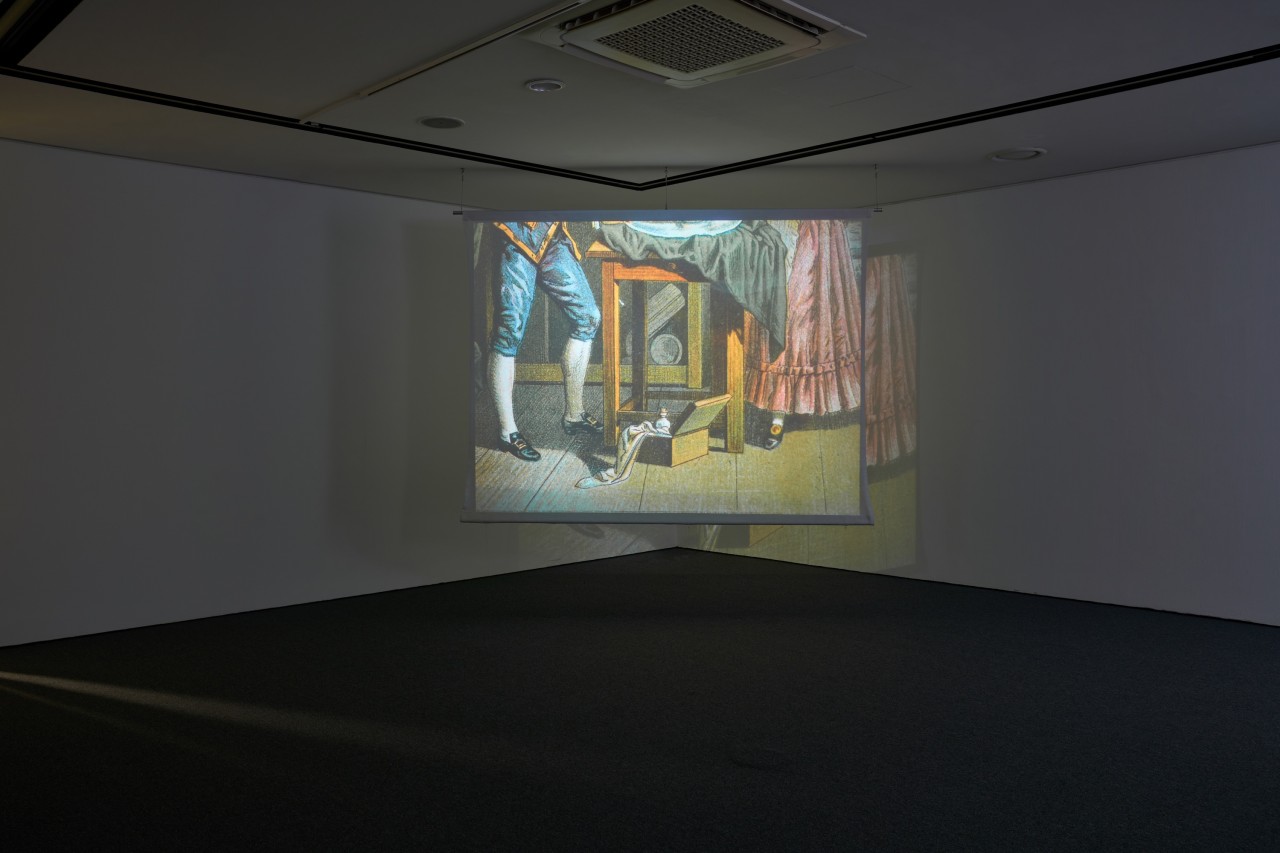 박선호, 〈길들인 빛〉, 2026, 단채널 비디오, 컬러, 사운드, 샤크투스 스크림에 영사, 11분 30초 (영사면 크기 175x234cm) | 사진 SES
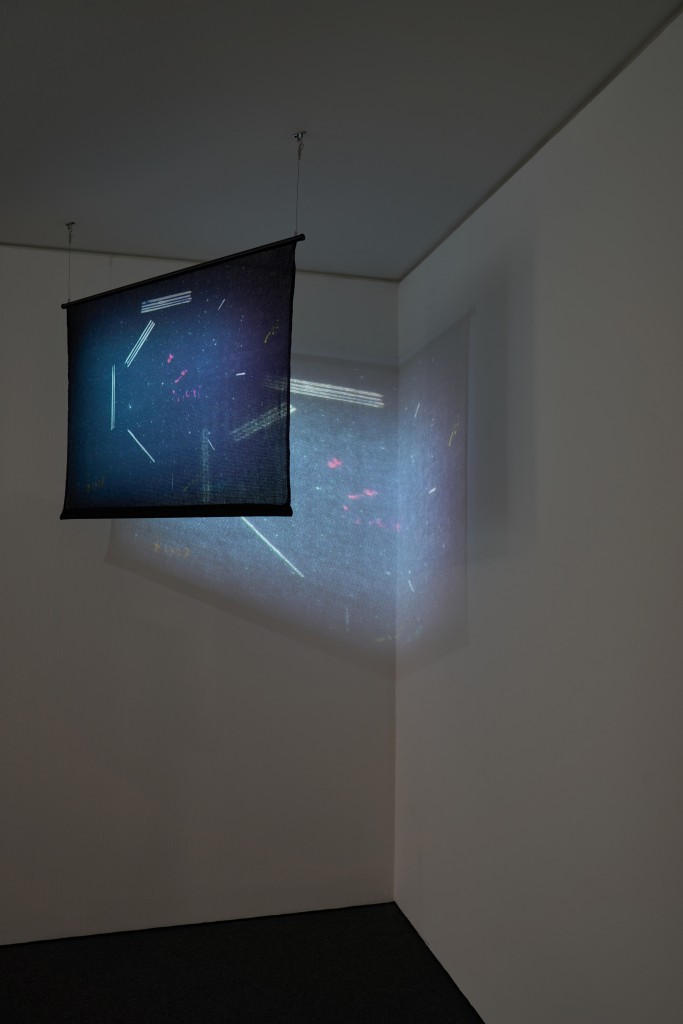 박선호, 〈깃든 빛〉, 2026, 단채널 비디오, 컬러, 무음, 샤크투스 스크림에 영사, 2분 30초, 루프 (영사면 크기 75x100cm) | 사진 SES
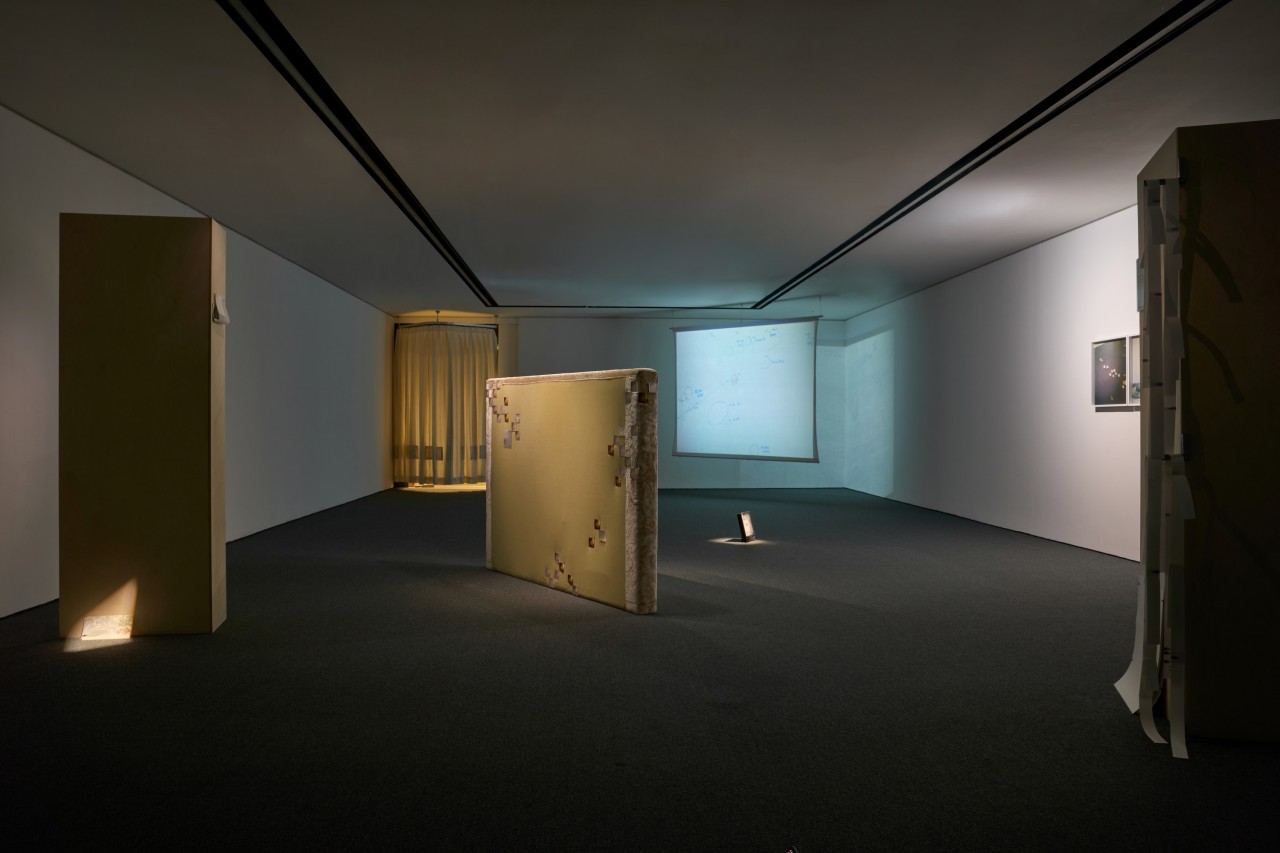 《 Palm to Palm》전시 전경 | 사진 SES | 사진 SES